

Long-distance moves cost more than most quotes show. Learn the hidden fees, estimate types, and budgeting steps that protect your wallet before moving day.
This is a subtitle for your new post

Moving can be a stressful and overwhelming experience, but with proper planning and preparation, it can be made much easier. In this blog post, we’ll go over some tips for preparing for a household move that will help make the process as smooth as possible. Start Early The key to a successful move is starting early. Begin planning and preparing for your move at least a few weeks in advance, if not sooner. This will give you enough time to organize everything and avoid last-minute stress. Declutter Before you start packing, take the time to declutter your home. Go through your belongings and get rid of anything that you no longer need or want. Consider using professional junk removal services to quickly dispose of bulky or unwanted items before packing. This will not only help reduce the amount of stuff you have to move, but it can also help you save money on moving costs. Create an Inventory Make an inventory of all the items you’ll be moving. This will help you keep track of everything and ensure that nothing gets lost during the move. You can also use your inventory to create a packing plan, which will help you stay organized and on track. Get Packing Supplies Stock up on packing supplies, such as boxes, packing tape, bubble wrap, and packing paper. You can purchase these supplies directly from a moving company like MovePro or from a local store. Be sure to get more than you think you’ll need to avoid running out during the packing process. If you’d like to purchase packing supplies from us, feel free to reach out and we’d be happy to provide you with a free quote for everything you need! We also offer free delivery for qualifying orders of packing supplies! Label Everything Label all of your boxes with the room they belong in and a brief description of their contents. This will make it easier for you and the movers to know where everything goes when you arrive at your new home. Hire a Professional Moving Company Consider hiring a professional moving company like MovePro to help you with your move. Whether you’re relocating across town with trusted local movers for a same-day move or planning a cross-country relocation with an experienced long distance moving company, we provide a range of services including packing, loading, transportation, and unloading. We can also offer valuable advice and support throughout the moving process. Call us and we’d be happy to provide you with a free quote! Notify Utilities and Service Providers Before you move, be sure to notify your utilities and service providers of your upcoming move. This includes your electric, gas, water, and internet providers, as well as your bank, credit card companies, and insurance companies. Pack a First-Night Box Pack a first-night box with all the essentials you’ll need for your first night in your new home. This may include toiletries, a change of clothes, bedding, and any other items you’ll need to be comfortable. By following these tips, you can prepare for a household move and make the process as stress-free as possible. Remember to start early, stay organized, and seek help if you need it. Good luck with your move!
This is a subtitle for your new post
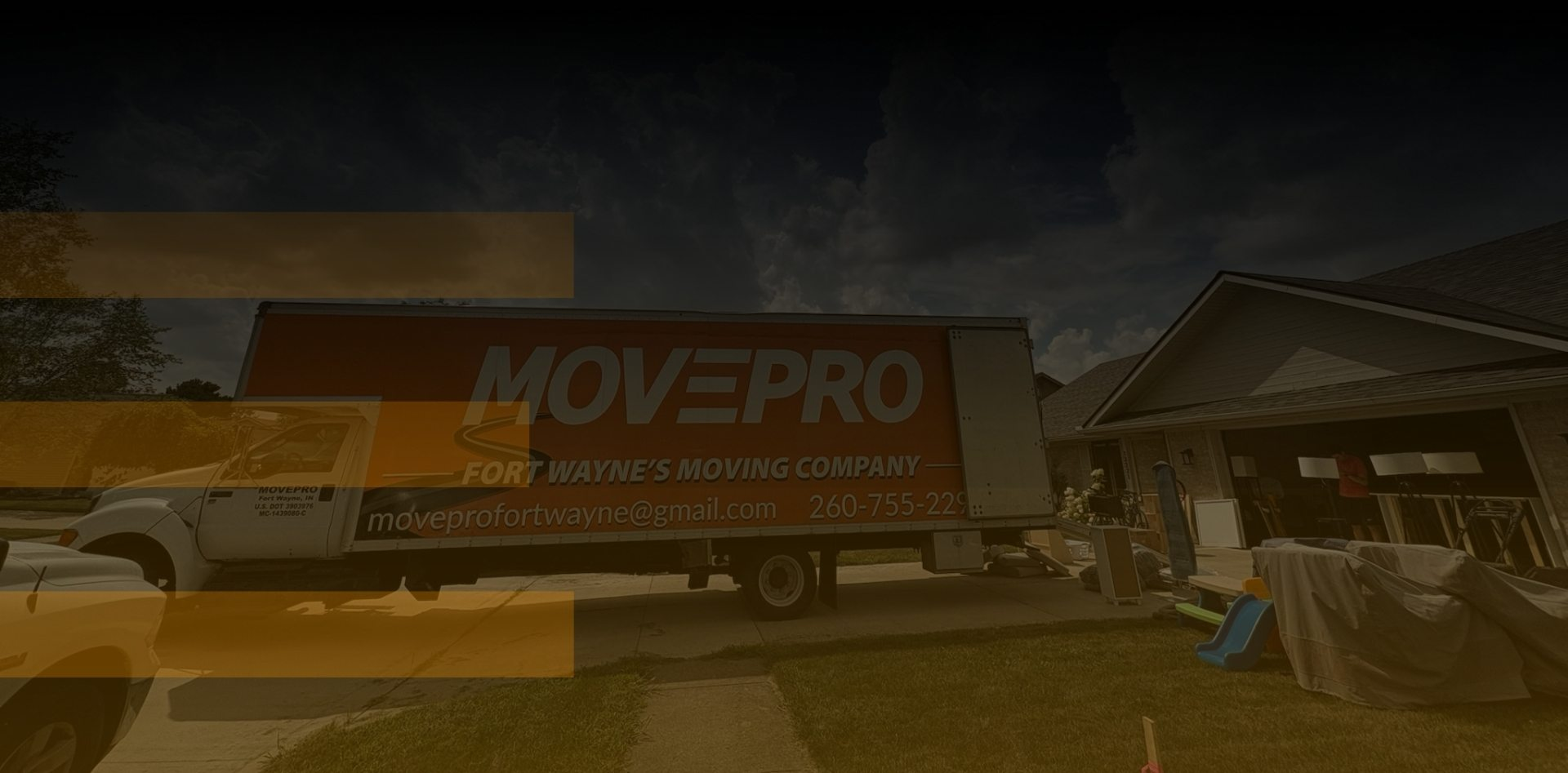
Moving during the summer can be a challenge!

This is a subtitle for your new post

Best Things to Do in Fort Wayne: Attractions, Parks & Local Favorites

Exploring Fort Wayne's Vibrant Arts Scene: Museums, Murals, and More