

Why Long-Distance Moves From Fort Wayne Cost More Than You Think (And How to Budget Right)
Knowing how to prepare for a long-distance move starts with one uncomfortable truth: the number in your head is probably wrong. Not by a little. Sometimes by thousands of dollars. The gap between an initial quote and a final bill is where most Fort Wayne homeowners get blindsided, and the worst time to find that gap is on moving day when your furniture is already loaded and you have no leverage.
The Hidden Costs That Blow Long-Distance Moving Budgets
Most people Google "average cost of a long-distance move" and use that number as their baseline. It's a reasonable starting point. But national averages don't include the line items that drive real final costs. These aren't rare exceptions either. They're standard parts of how interstate moving is priced. They just don't appear in the initial quote unless you know to ask.
Fuel Surcharges and Weight Adjustments
Fuel surcharges are real and variable. Most long-distance carriers apply them based on current diesel prices, and those prices shift week to week. A quote from April may carry a different fuel calculation by the time your move happens in July. Some carriers cap the surcharge. Others don't. If your estimate says nothing about fuel, ask before you sign anything.
Weight-based pricing creates a second surprise. Long-distance moves are typically priced by weight, not by room count or hours. A rough estimate over the phone assumes an approximate weight. If your actual shipment weighs more, you pay more. Homeowners who add items between the quote and the move often see their final bill jump hard. A treadmill, extra boxes from the garage, a piece of furniture you decided to keep. All of it adds up on the scale.
Storage Gaps and Double-Carry Fees
Timing mismatches between your move-out date and your move-in date create what movers call a storage gap. Your belongings get loaded, but your new home isn't ready. The carrier stores your items, and that storage runs on a daily or weekly rate that adds up fast on a cross-country moving timeline.
Double-carry fees apply when a truck can't pull directly to your door at either end of the move. High-rises, narrow streets, and neighborhoods with access restrictions all trigger this. The crew transfers your items from the main truck to a smaller shuttle vehicle. That transfer, called a shuttle fee or long-carry charge, can add several hundred dollars to your bill. It's often not included in the original estimate unless you raise it.

Binding vs. Non-Binding Estimates: The Difference That Costs Thousands
This is the part of long-distance moving tips that most general guides rush past. But it's worth understanding fully before you commit to any mover.
A non-binding estimate is the carrier's best guess at your final cost. They can charge more at delivery if actual weight exceeds the estimate. Under federal regulations, they can bill up to 110% of the original quote, with payment due within 30 days. A $4,000 estimate can legally become a $4,400 bill, and you have no grounds to dispute it if the terms were disclosed upfront.
A binding estimate locks in your price based on a thorough inventory review. The carrier commits to that number regardless of actual weight, as long as your inventory doesn't change. This is the estimate type that protects your budget. Getting one requires the carrier to actually assess your belongings before they commit to a number, either through an in-person visit or a detailed virtual walkthrough.
Why Phone Quotes Are Structurally Unreliable
A quote from a five-minute phone call cannot be binding, because the carrier has no verified inventory to bind it to. The number they give you is a ballpark. It's useful for comparison shopping, but it isn't a budget. Fort Wayne homeowners who treat a phone quote as a firm number and build their relocation finances around it are setting themselves up for a rough correction.
Every credible interstate moving checklist flags this same issue. Get a binding estimate in writing, based on a real inventory review, from a licensed and insured carrier. That's the only number worth budgeting around.
How to Read a Long-Distance Moving Estimate
Before signing any estimate for a long-distance move, check for these items:
- Estimate type clearly stated. Binding, non-binding, or binding not-to-exceed
- Weight or cubic footage basis. How the carrier is calculating your shipment size
- Fuel surcharge disclosure. Whether it's included, capped, or variable
- Storage rates. Daily or weekly cost if a gap exists between pickup and delivery
- Shuttle or long-carry fee disclosure. Especially important if your origin or destination has access restrictions
- Pickup and delivery window. A range of dates with clear terms if they miss it
- Insurance and liability coverage. Standard carrier liability is 60 cents per pound, meaning a 30-pound TV worth $800 is covered for $18. Full value protection costs extra and is worth understanding before you need it

A Realistic Long-Distance Moving Budget From Fort Wayne
National averages for long-distance moves range from $2,500 to $5,000 for a single bedroom and climb steeply from there. A two- to three-bedroom home moving 500 to 1,000 miles commonly runs $4,000 to $8,000 or more before add-ons.
Here's a practical framework for cross-country moving preparation:
- Start with a binding estimate from a licensed carrier. Use this as your baseline, not a phone quote.
- Add 10 to 15 percent as a buffer for incidentals, including packing materials, crew tips, and meals and lodging during transit.
- Price out storage separately if there's any chance of a gap between your move-out and move-in dates. Don't assume the carrier's storage rate matches a local self-storage facility.
- Confirm destination access conditions before moving day. Shuttle fees are far easier to plan for than absorb as a surprise.
- Review insurance coverage against full replacement value for your most expensive items. A piano, original artwork, or antique furniture may need coverage beyond any carrier's standard terms.
This isn't a worst-case budget. This is what experienced long-distance movers and relocation planners call standard preparation.
What Transparent Pricing Actually Looks Like
Most budget surprises in long-distance moving trace back to one source: a mover who didn't fully explain their pricing before you committed. Sometimes it's a rushed quote process. Sometimes it's a broker who sold your job without disclosing the carrier's terms. The result lands the same either way.
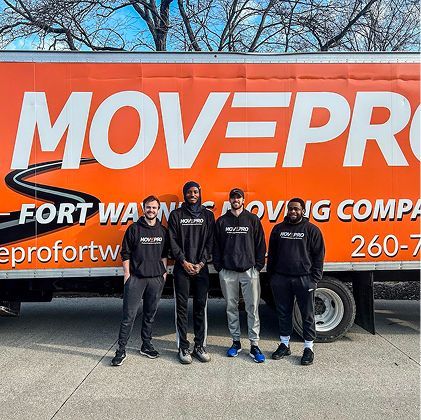
Working with a BBB-accredited mover who has a verified record of transparent pricing closes that gap. MovePro Moving and Storage builds estimates from real inventory reviews, with clear terms on binding pricing, fuel costs, and any fees that could affect your final number. They've served Fort Wayne and Northeast Indiana for over seven years, hold an A+ BBB rating, and carry proper licensing and insurance for both local and long-distance moves.
Long-distance moving tips from a hundred sources all say to compare quotes. That's true, but it's incomplete. The more important step is comparing what's actually inside those quotes. A lower number that ignores fuel surcharges, storage rates, and weight adjustments isn't a better deal. It's a bill that hasn't arrived yet. How to plan a long-distance move comes down to getting the full picture before you commit, not after your belongings are already on a truck headed out of Indiana.
Recent Posts