

The Moving Scam Nobody Warns Fort Wayne Homeowners About
Knowing how to avoid moving scams means going further than a quick Google search. The most dangerous moving fraud today is built to pass every surface check you know to run. These operations have Google reviews, a working website, and a phone number that rings. They look completely legitimate until your furniture is on a truck and your deposit has vanished.
How Moving Scams Have Evolved Past Basic Checks
Most advice about moving fraud still assumes the bad actors are obvious. The old version of the scam said watch out for companies with no address, no website, and no reviews. That version still exists, but it's not the one costing Fort Wayne homeowners thousands of dollars right now.
The new version of moving fraud is built to pass shallow vetting. Scammers buy or manufacture five-star reviews on Google. They register business names that sound like established local companies. They list real-looking addresses using UPS store mailboxes. Some even pull a USDOT number from a legitimate carrier and use it fraudulently on their paperwork.
The "Almost-Legit" Company Profile
This type of operation gives you everything a cautious homeowner asks for. You search "trustworthy movers Fort Wayne" and they show up with a 4.6-star rating. Their website has team photos and a Fort Wayne address. They answer on the first ring and give you a quote that sounds fair.
The warning signs don't appear until later. They might ask for a large cash deposit before moving day. The crew that shows up may not match the company name on the truck. Or they deliver your belongings and hand you a bill far higher than the original quote, knowing you're in no position to say no.
Why Moving Company Reviews Don't Prove Legitimacy
A moving company with 50 five-star reviews looks more credible than one with 12. But purchased reviews are a real and documented problem. Some review farms operate entirely outside the U.S. and sell 100-review packages for under $200. The reviews read naturally, they post over a few weeks, and most homeowners would never flag them.
What separates a real review history from a manufactured one is detail and spread. Genuine reviews mention specific movers by name, reference actual neighborhoods, and describe real friction points alongside the praise. Flat, generic reviews that all say "great team, very professional" with no specifics are a soft red flag worth noting.

The Verification Steps Most Homeowners Skip
A working website and a few Google stars are the two checks most people run when researching moving companies. Both are easy to fake. The real hiring movers checklist goes one layer deeper, and none of these steps take more than ten minutes.
Here are the checks that hold up:
- FMCSA lookup for interstate moves. The Federal Motor Carrier Safety Administration maintains a public database at protectyourmove.gov. Search any company's name or USDOT number. If they operate interstate and aren't listed, or if their record shows complaints or out-of-service orders, stop there.
- BBB accreditation and rating. An A+ BBB rating with accreditation means the company agreed to follow ethical standards and respond to complaints. The BBB also shows complaint history, which tells you far more than star ratings alone.
- State licensing for local moves. Indiana requires movers working only within state lines to hold a state operating authority. Ask for their ICC number and verify it with the Indiana Utility Regulatory Commission. Legitimate companies won't hesitate.
- Physical address verification. Run their address through Google Street View. A UPS store, a residential property with no equipment, or an address that returns nothing are all worth questioning.
- Written binding estimate. Any mover who gives you a non-binding estimate over the phone, without a walkthrough of your items, is giving you a number they can raise later.
Red Flags When Hiring Movers That Most Lists Miss
The standard red flags list covers things like no written contract and cash-only payments. Those are real. But experienced movers and fraud investigators point to subtler signals that rarely appear in general articles about how to avoid moving fraud.
Hostage Load Scenarios
A heavily reported moving scam in both 2025 and 2026 involves what the FMCSA calls a "hostage load." The company picks up your belongings, then inflates the bill significantly before delivery. They hold your items until you pay the new amount.
This scam runs most often through online brokers who act as middlemen and sell your job to an unlicensed carrier. The broker collects a fee. The carrier has no relationship with you and no accountability to the original quote. Binding estimate protection only works when you deal directly with the actual carrier, not a broker who handed your move off to someone else.
The Name-Change Pattern
Some fraudulent operations cycle through business names after complaints pile up. They close one LLC, open another, and start fresh with no reviews and no red flags. A company operating for less than a year with no complaint history isn't suspicious on its own. Combined with other warning signs, though, it adds weight.
Search the owner's name, not just the company name. Look for related businesses tied to the same phone number or address. This takes five minutes and has exposed some of the most active serial operators in the moving fraud space.

How to Check If a Moving Company Is Legit Before You Sign Anything
A licensed and insured mover carries two specific types of coverage. One covers your belongings as cargo. The other covers property damage during the move. Ask for the certificate of insurance directly. "Yes, we're insured" is not a sufficient answer.
Ask for this documentation before you book anything:
- Certificate of insurance: shows the carrier, coverage type, and policy limits
- USDOT number: confirms interstate operating authority, required for all interstate carriers
- State operating number: required for Indiana intrastate movers
- Written binding estimate: locks in price based on a reviewed inventory
- Company name on the physical truck: must match the paperwork
A company that delays, deflects, or says "we'll send that over" when you ask for documentation before booking has already given you your answer.
What Verified Trust Actually Looks Like in 2026
The gap between a mover who passes surface checks and one who holds up to real scrutiny comes down to verifiable proof. Not reviews. Not a nice website. A legitimate, documented paper trail.
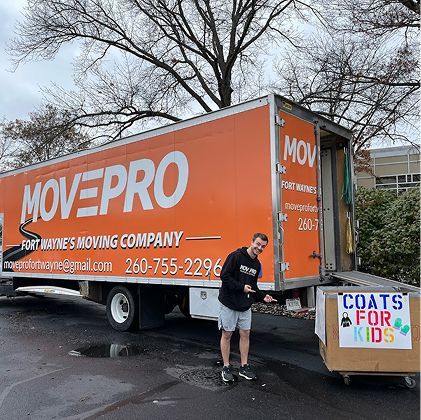
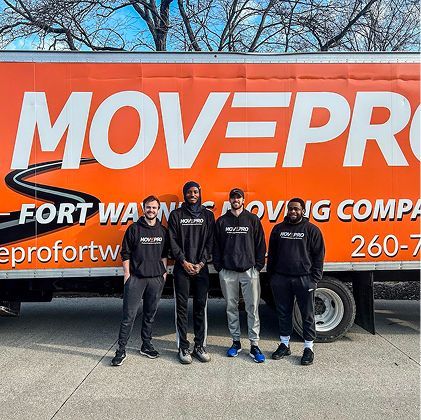
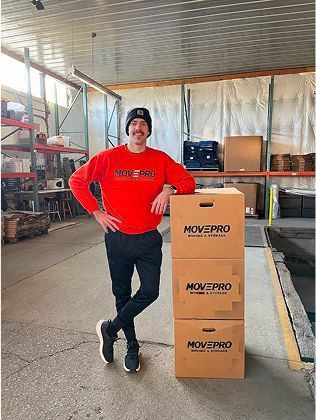
MovePro Moving and Storage carries an A+ BBB rating. The company has 488 verified Google reviews spanning years, many of which name specific crew members and reference real Fort Wayne neighborhoods. They have operated under the same business identity for over seven years. Their movers are background-checked and licensed and insured for both local and long-distance work.
That kind of record takes years to build and can't be replicated overnight. When searching for trustworthy movers in Fort Wayne, that's the standard worth measuring against. Any company that can't show you the same level of documented legitimacy deserves a harder look before any deposit changes hands.
Moving scams 2026 are sophisticated enough that "I thought I did my research" has become the most repeated phrase from homeowners who got burned. The research process itself needs updating, not just the companies you're looking at. Knowing how to avoid moving fraud starts with accepting that the vetting process most people use was built for a version of this problem that no longer exists.
Recent Posts